Collecting Nature and Encountering Our Creator (GIANT FREEBIE)
/ Erin CoxMy Instagram feed is filled with gorgeous nature tables, muddy rainboots, and wild and free children. This speaks to my heart in an unimaginable way. While I may often get too busy to truly spend the hours out of doors that I would like... and sometimes the complaints about the heat just wear me down (we live near Satan's armpit), I know deep in my soul that being surrounded and immersed in God's creation is as close as we can get to touching him on this earth.
When I first began reading Charlotte Mason's own personal work (and I HIGHLY RECOMMEND THAT, start here), I was slightly put off. I almost felt as if she worshipped nature. But I knew I had to be missing something important, so I pressed further in. Through prayer, I realized that Charlotte was passionate about nature because she was passionate about the Creator of nature. She knew that being immersed in Creation was a sneak peak into eternity and into the heart of our Father in Heaven. Our task as mothers is to simply help our children become thoroughly acquainted with Creation, capable of truly SEEING it with clear observation.
In Home Education, Miss Mason describes a scene where a mother is tasking her children to run to a specific spot then come back and tell her all that they've seen, as vividly as possible. She goes on to say:
This is all play to the children, but the mother is doing invaluable work; she is training their powers of observation and expression, increasing their vocabulary and their range of ideas by giving the name and the uses of an object at the right moment... And she is training her children in truthful habits, by making them careful to see the fact and to state it exactly, without omission or exaggeration.
Later in the same volume, Miss Mason describes some typical scenes that children ought to know, including the names, location, and description of wildflowers and trees. Furthermore, in a reprint of a curriculum outline from a CM school in the 1890’s, she detailed a "Formidable List of Attainments of a Child of 6."
With these details all in mind, I created my Gentle + Classical Nature program that you can find here, as a complement to Gentle + Classical Primer (ppsssst, you can grab that Teacher’s Guide 100% for free). In this program, we will seek to accomplish more than half of the "attainments" as they relate to nature and geography. While the program will not be purely CM, it will reflect as much of Miss Mason's philosophies as I am capable of producing.
So with the aim in mind of the Gentle + Classical Nature program, I began by assembling a notebook for nature collecting that we will all need to have on hand. The goal of this nature notebook is related to attainments 11 and 12:
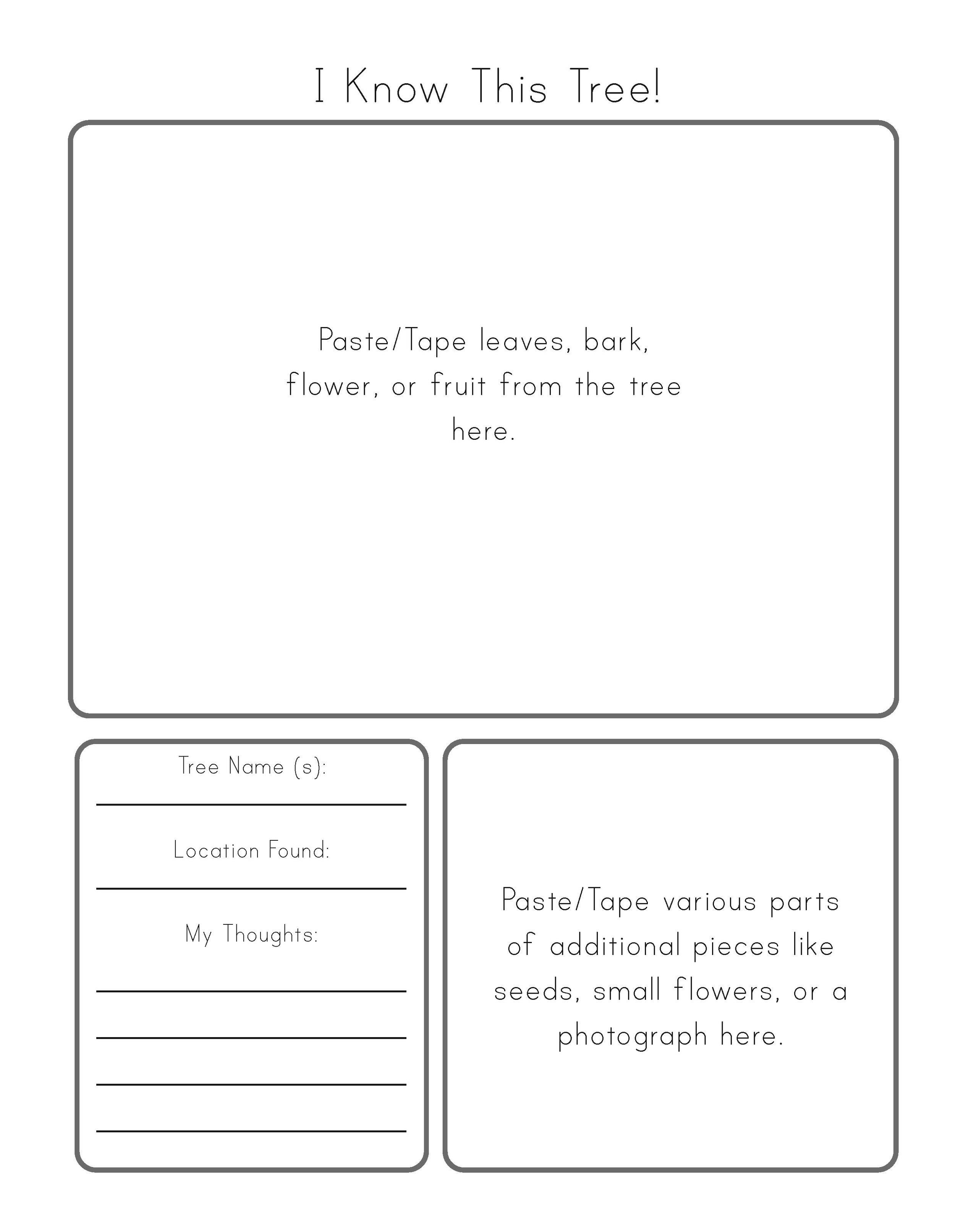
11. to mount in a scrap book a dozen common wildflowers, with leaves (one every week); to name these, describe them in their own words, and say where they found them.
12. to do the same with leaves and flowers of 6 forest trees
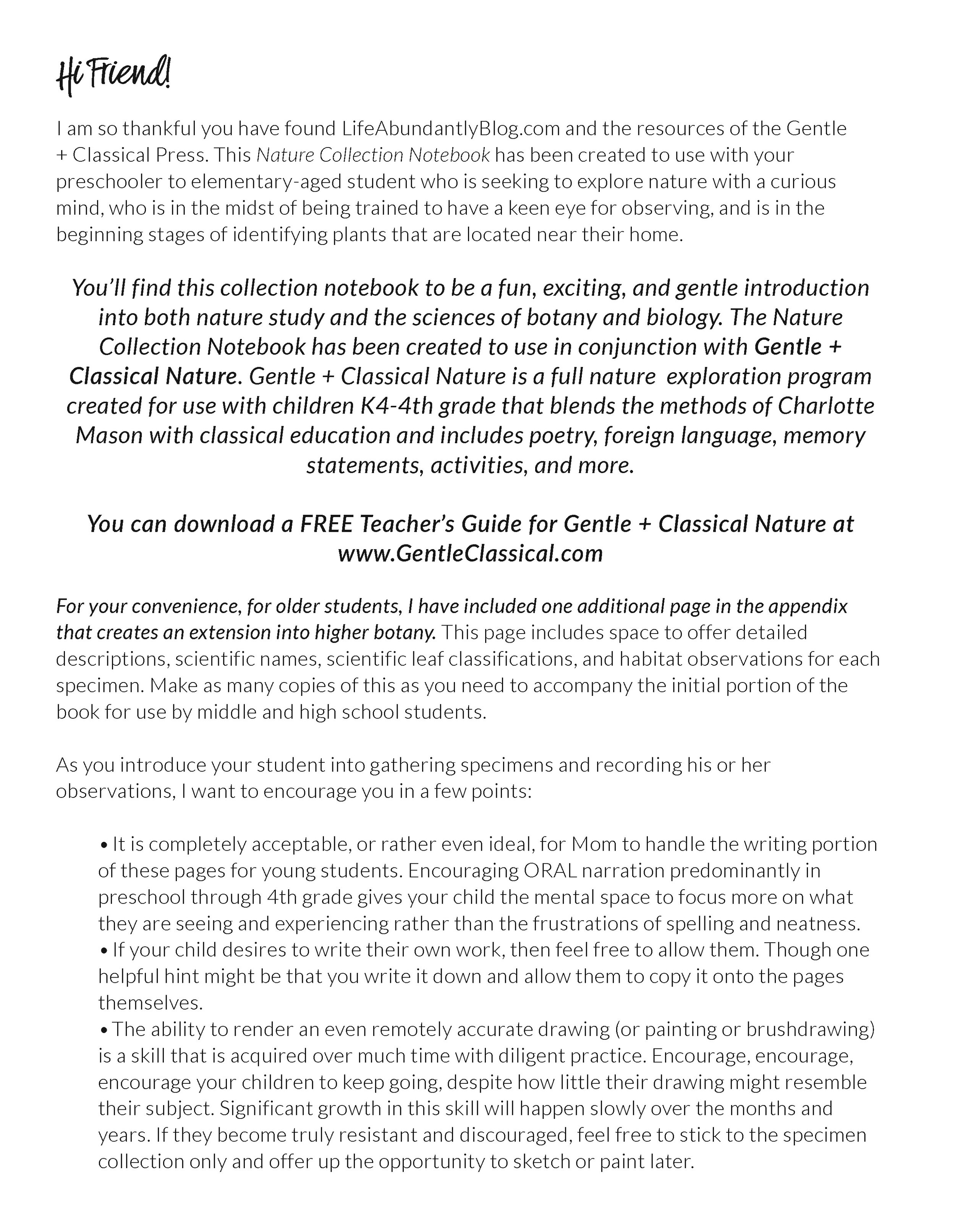
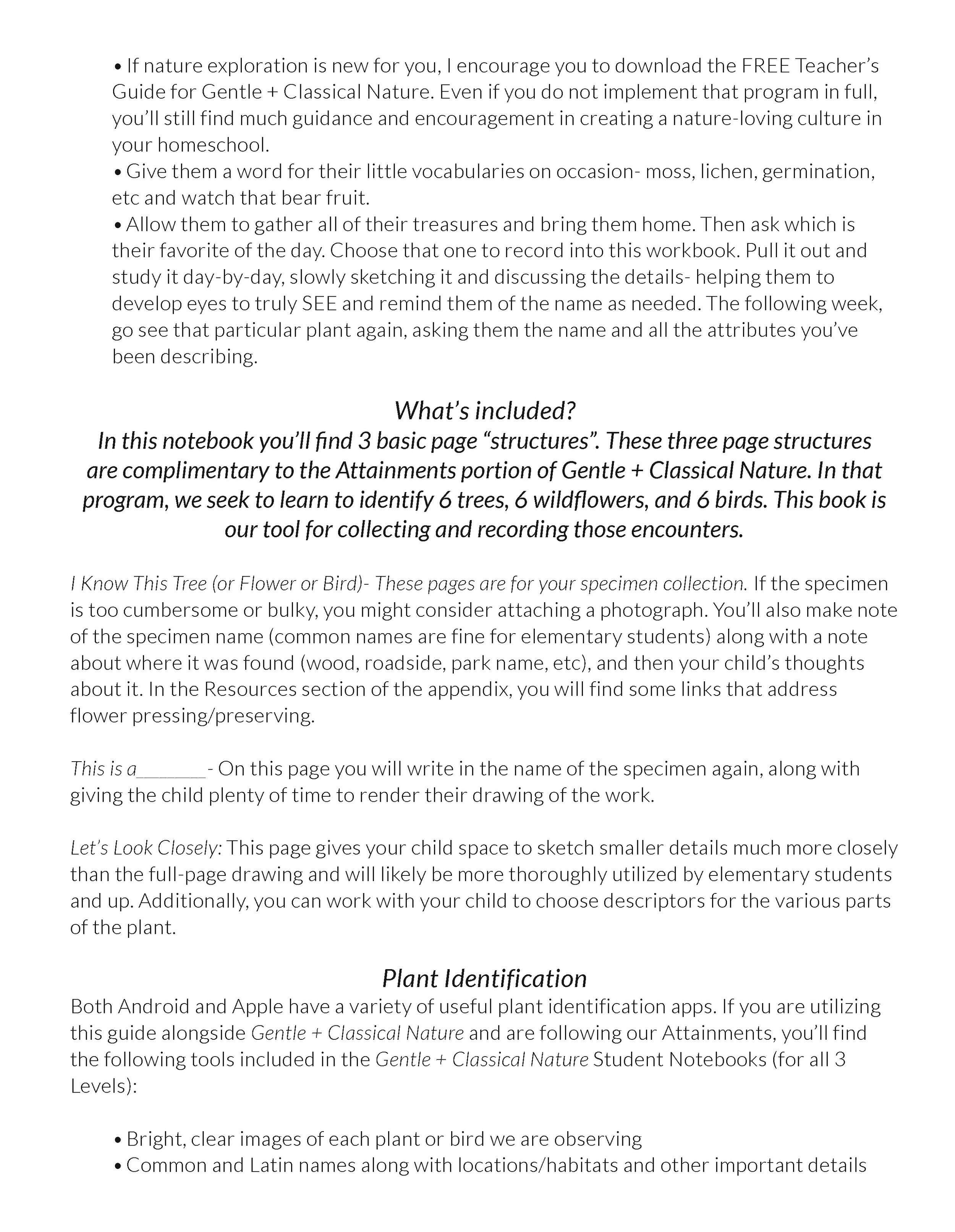
This 80-page Nature Collection Journal was created to help us organize and consistently pursue the attainments of being intimately knowledgeable with creation.

In the "Nature Collection Notebook", you will find the following:
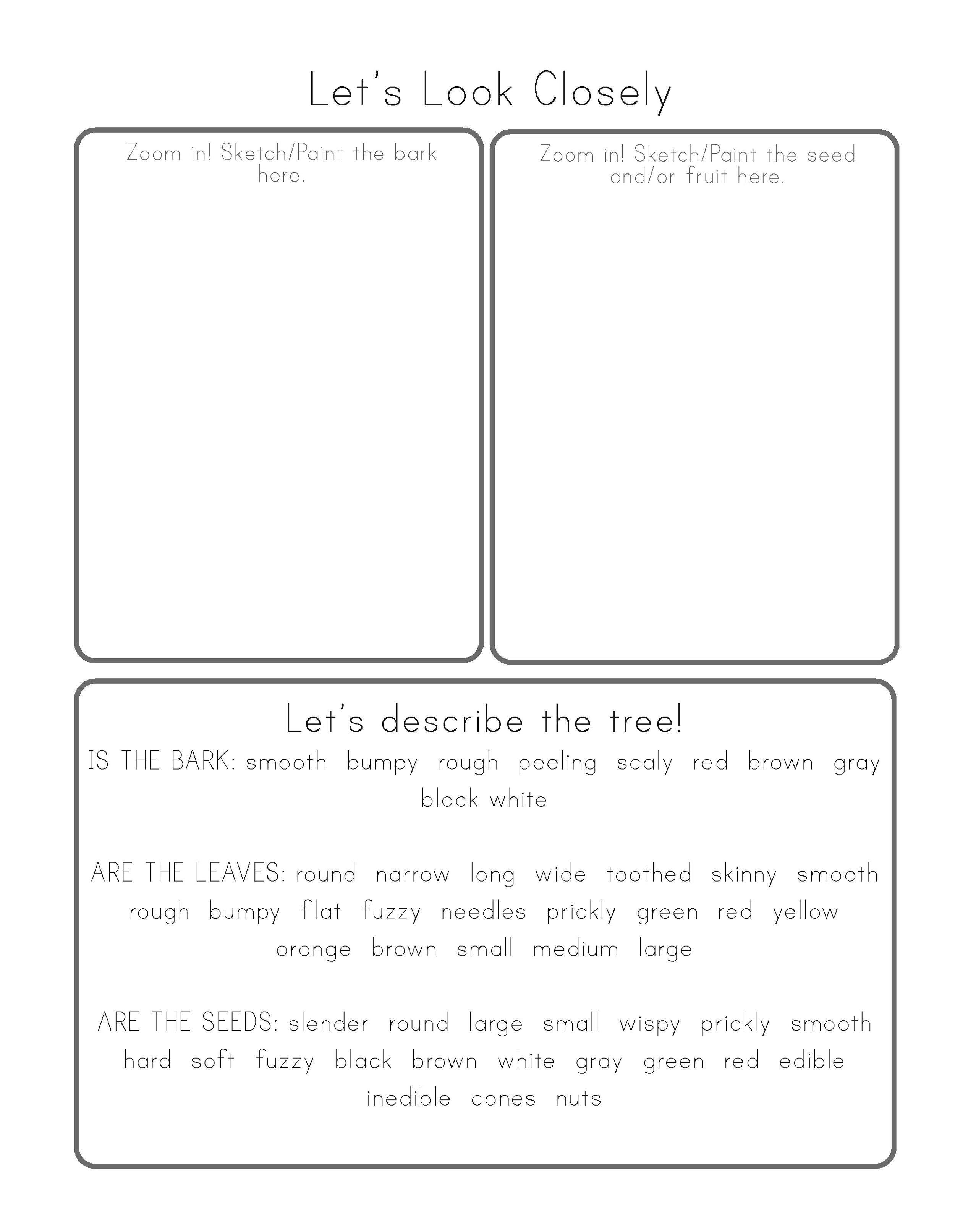
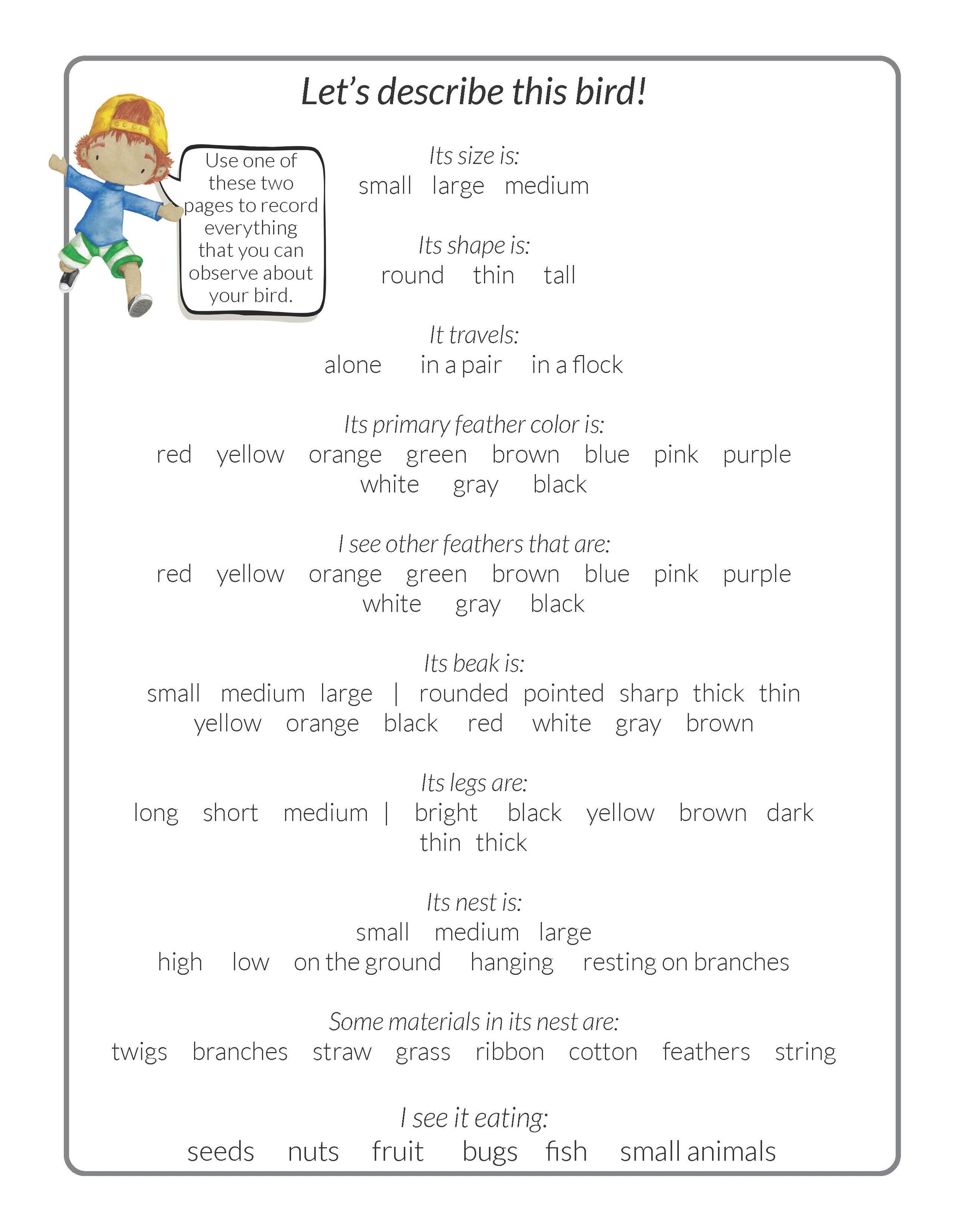
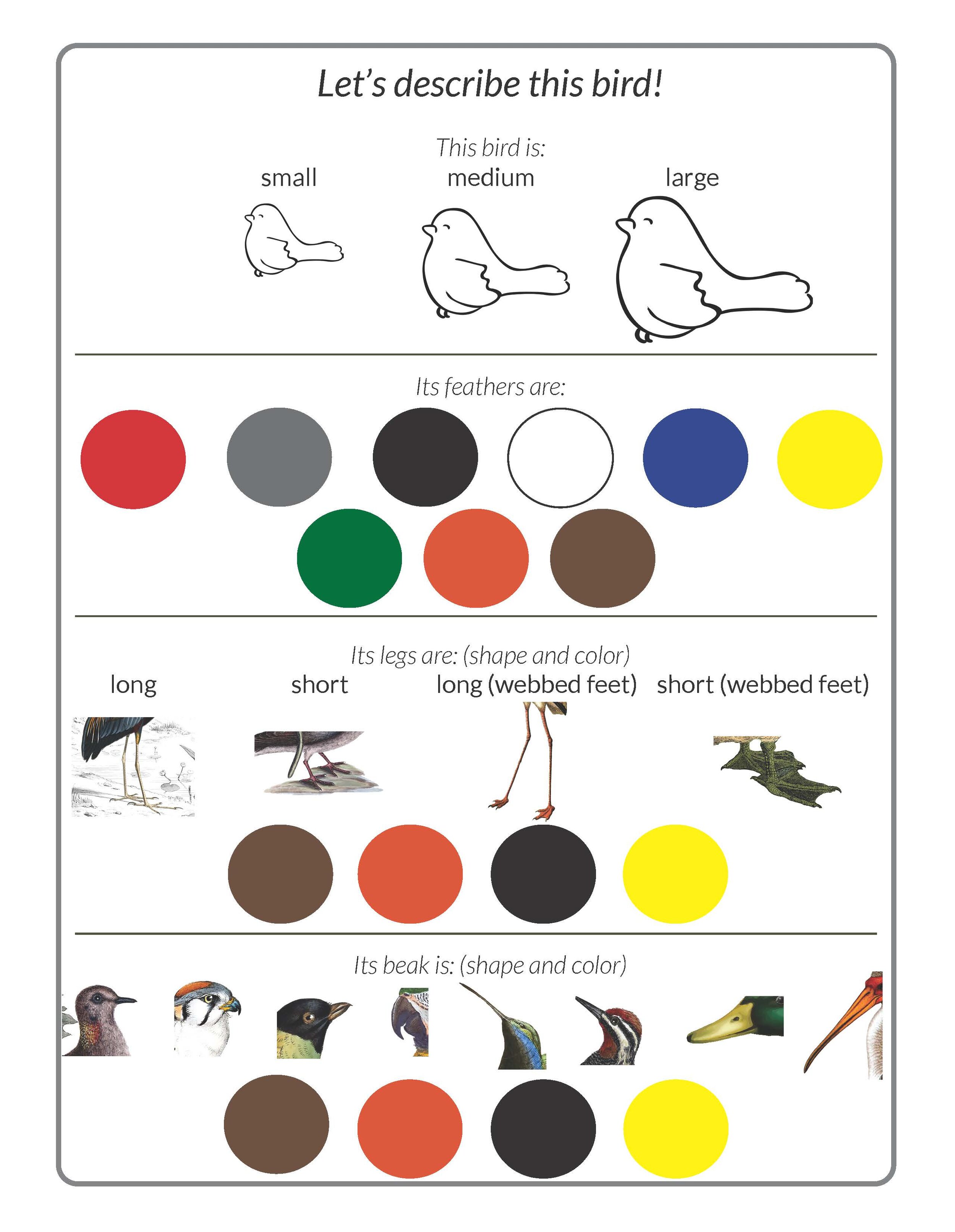
54 Pages for Mounting, Sketching, and Observing 6 Trees, 6 Flowers, and 6 Birds
Tips for developing a "keen eye"
An additional page (in the appendix) developed specifically for middle and high school students to record scientific names, detailed observations, and denote specific attributes of the plants using botanical terminology
Resources for further help (including links and books)
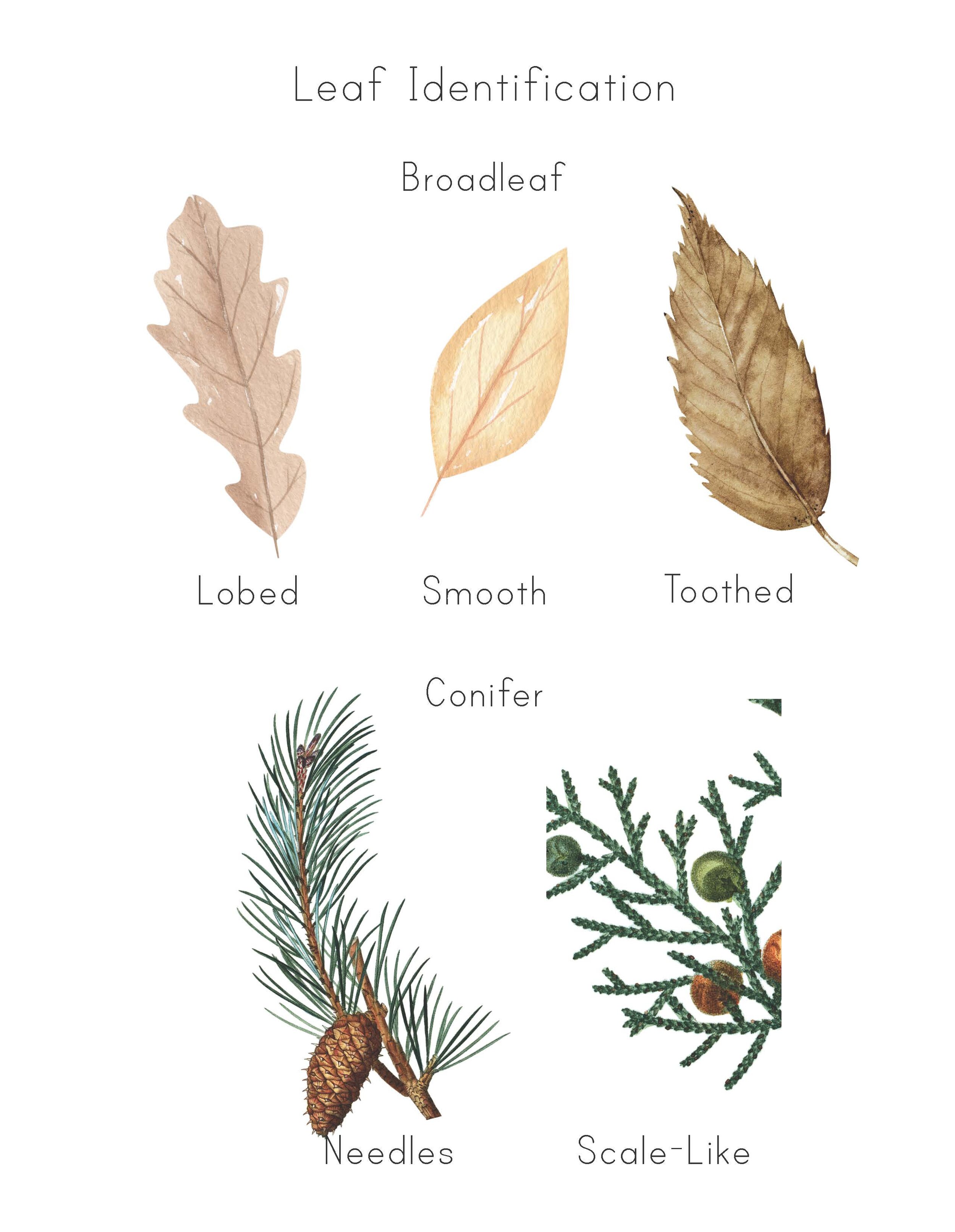
4 Beautiful Leaf Identification Posters (leaf veining, structure, arrangement, and identification)
3 Vintage Botanical Prints (just because!)
10 Simple Coloring Pages that double as worksheets for identifying leaf structures, using the posters as a teaching tool
If nature observation and collection are new to you, rest assured that it is one of the most fruitful, educational activities you can partake in. It isn't time away from school but is education itself. The ability to attune to small details, slow down and watch an ant at work, verbally share observations about minute changes in plant life, take one observation and draw a conclusion upon another... ultimately culminates into a beautiful, living education that God gifted us with in His Creation.

To download this 100% free, click the button below, enter your email to access our vault, and download away!
You May Also Like:
One of my biggest parenting and education regrets?
It’s not that I wish I had been more rigorous. It’s that I wish I had been more diligent.
Diligence, self-control, and consistency were not virtues that were well developed when I entered motherhood. In fact, because I did not have Christ, I think I barely had any virtue at all. There’s not much that pains my heart more than remembering how unfaithful I often was with my sweet girls.
Praise God that He captured my heart and began a great work in me. Because of that—and because of home education—I began to grow in virtue alongside my daughters. Part of that growth was realizing the wisdom of diligence in home education. There is no growth without consistency.
I’ve now seen both sides of the coin: the struggle that came from delaying academics and leaning too heavily into child-led learning, and the fruit that comes from a diligent, consistent education. They are incomparable.
Lately, I’ve noticed another word making the rounds in homeschooling circles: rigor. I think it’s worth slowing down to ask whether that’s really what we’re looking for.
Education is about formation, not just information.
If your educational experience was anything like mine (public schoolers, raise your hand!), when you picture “education,” you primarily think “information.”
From a traditional schooling perspective, the daily goals look a lot like:
facts to learn
chapters to finish
standards to cover
tests to pass
And if we're honest, these expectations follow many of us into homeschooling. We assume our job is to deliver as much knowledge as possible, as efficiently as possible. Then, we probably need to do a test of some sort so we can SEE that our kids learned and maybe also show others that they're learning too.
Last week, on social media, I shared a post about discernment vs. control for homeschooling parents. It struck a nerve with many parents, so I wanted to share more here, plus the book list I created.
Here’s the gist:
In the early years of parenting, our job is control.
We control:
what they eat
what they watch
where they go
who they spend time with
how and what they learn
I'm afraid my kids think I'm losing it.
I've had a hard time getting through studies, hymns, and readings lately without getting weepy. Whether it's singing Come Thou Fount of Every Blessing or reciting The Lamb by William Blake or even repeating our catechisms about the just wrath of God, I just end up in a big puddle at the end.
It's a hard pill to swallow … to imagine the suffering of my perfect, sinless, loving, compassionate Savior … all because of my sin. That, even knowing what He endured, I still pick up the nails and hammer every day. My stomach turns to think that on a normal Thursday afternoon, my flesh weaves a new crown of thorns to plunge into His scalp. When I am angry, inconvenienced, or honestly just uncomfortable, it is horrifying how often I choose to whip His back with the lashes of my tongue instead of humbling myself at the foot of His Cross.
My sweet Savior, tortured and murdered for my sins. I readily confess it with my lips, I rely on it for the salvation of my soul, and still, in my flesh, I crucify Him again and again.
Lord Jesus Christ, Son of God, have mercy on me, a sinner.
I was on the struggle bus last week. I’ll be the first to tell you—February is always a hard month. Even when you don’t homeschool, you can feel it. Everyone is tired of the cold and dreariness, home starts to feel a little claustrophobic, there’s not a lot going on socially as people withdraw, and we start looking ahead to what feels like greener grass instead of continuing to rest and work where we are.
If you’ve been thinking about quitting homeschool because you’re anxious about progress, comparing your days to social media, comparing your kids to their peers, or you and your kids are just plain tired of one another, I want you to know that you aren’t alone. This is a well-known phenomenon in the homeschool world, usually called the February Slump.
How you’re feeling has a name. If nothing else comforts you, let that.
Wow. I am so thankful to have a moment to sit down and write this.
Life has felt like a whirlwind lately—in all the best ways, but still… a lot. Somehow, my two older girls managed to have their apartment leases end within one day of each other. Neither planned to stay where they were, and everything shifted all at once.
Homeschooling can feel really overwhelming at times. Whether you started with hesitation or dove in with excitement, it usually doesn’t take long for all the things to feel like chaos. Even if you enter your home education journey with experience or natural confidence, it’s easy for that to be shaken when you’re working to figure out the most wholesome, intuitive, and joyful daily rhythms for your family.
This feeling is completely normal, friend! Every homeschooling parent experiences it at some point! Every year brings more incredible curricula, unit studies, local co-ops, online programs, sports, extracurricular activities, music lessons, and so much more. It’s a wonderful time to be homeschooling!
I was.
Recently, we found a picture one of my girls snapped back in 2011 during my first “full year” of homeschool planning. I remember that day clearly. I remember the couch. The stacks of books. The planner. The look on my face.
I was, indeed, freaked out.
I knew no one who homeschooled. We really couldn’t afford for me not to work. We lived in a small town where the school was the community. Choosing something different felt like stepping outside the circle. I had always learned things easily, but I had zero experience teaching anyone anything. I was terrified I would fail my children, disappoint my husband, and make a decision that would ripple through all of our lives.
So, let's talk about attention.
"But, Erin," you say, "all your kids have ADHD, and so do you. How are you talking to me about attention right now?"
Valid question, friend. And it's exactly because our family struggles with attentiveness that I’ve made it my personal mission to understand how to foster it. When you start out with “attention muscles” that are underdeveloped, being intentional about training those habits becomes even more important.
Charlotte Mason once wrote:
“The highest intellectual gifts depend for their value upon the measure in which their owner has cultivated the habit of attention." (Home Education, Vol. 1, p. 137)
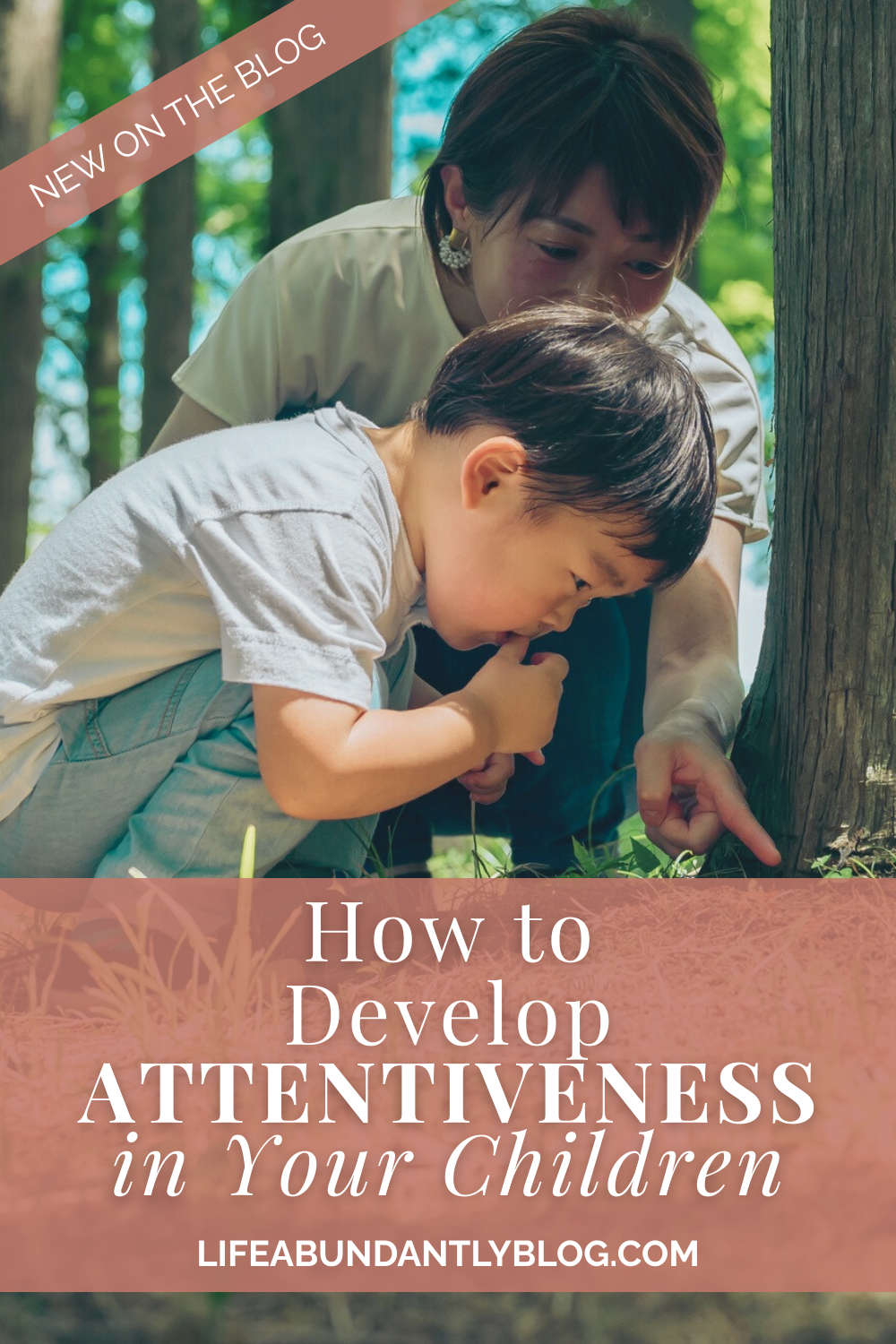
Attention isn’t something that simply springs up in a child. Some children are naturally more attentive than others, but no one comes fully trained. Like perseverance or obedience, attention is a skill and habit—one that must be shaped over time through gentle, consistent practice.
“Where’s the Script?”
That’s one of the most common questions we hear from new homeschool moms: “Where’s the script? I don’t know what to say!” And truly, I understand that question deeply. When you’re stepping into homeschooling for the first time—especially when it feels unfamiliar or weighty—the desire for structure and certainty can be overwhelming. You just want to do right by your child. The fear of “messing it up” can make a script feel like a lifeline.
But here’s the truth: you don’t need a script. You need truth spoken in your own voice.
For years, we have enjoyed nature-focused science curriculum that essentially required that we spend time out of doors each day. However, this year, we are working on more project and experiment-based science which is totally fine. But it turns out that if my curriculum isn’t constantly insisting that I head out of doors … well, I don’t do a great job at it.
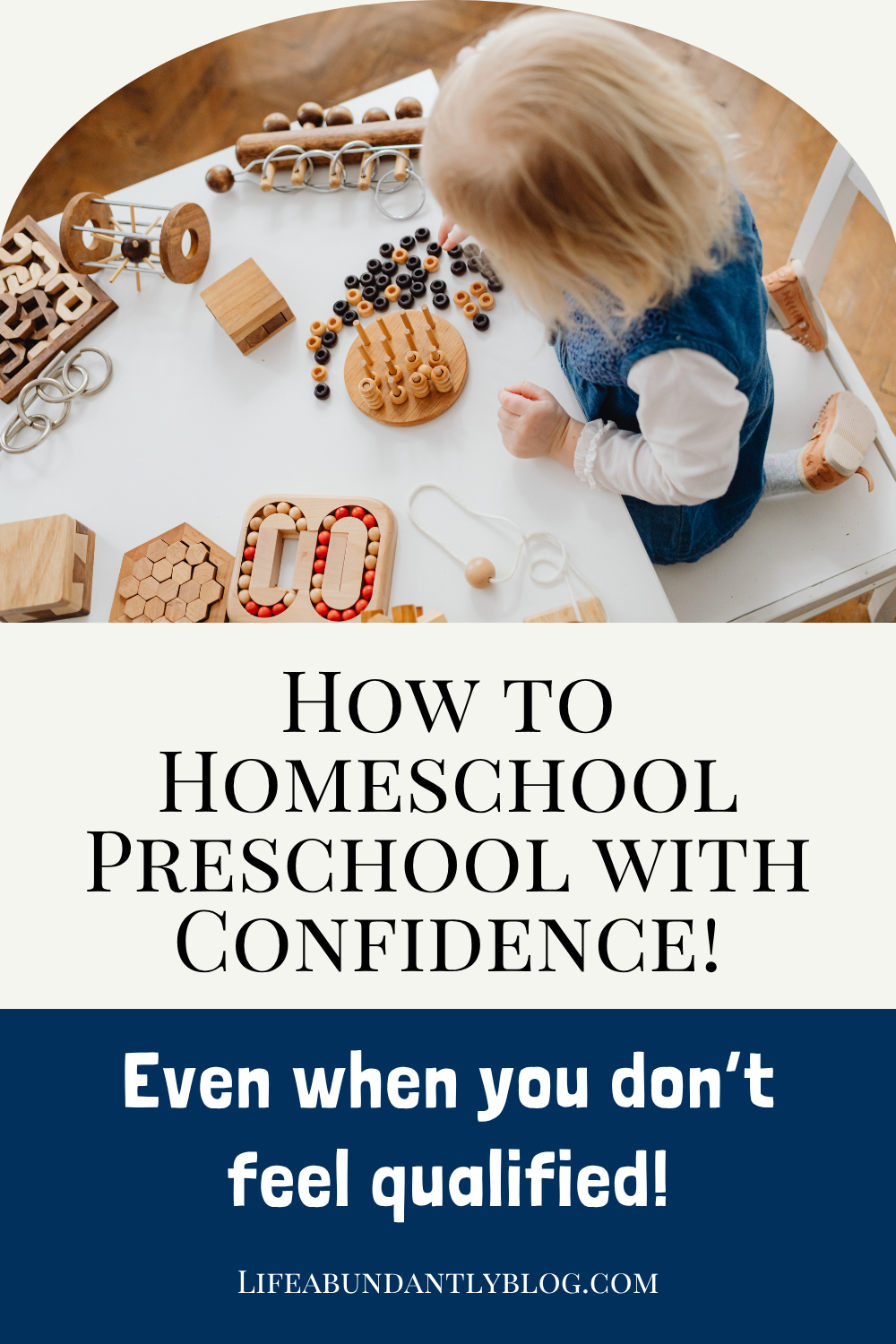
When most people picture “homeschooling preschool,” they imagine a tidy table, a child quietly and obediently tracing letters, and a mother who never loses her patience—or her coffee. Real life is rarely that polished.
Preschool at home is your 2-4 year old climbing you while you read, the breakfast dishes still in the sink, and a lesson that lasts as long as their attention span—which is to say, not long. And yet, that’s exactly where real learning happens: in the rhythm of ordinary days.
Confidence in these years doesn’t come from lesson plans or laminators. It grows when you begin to understand what preschool is for.
If you’re shopping for little ones this year, here’s my short list of gifts that feel fun and quietly do the work of growing fine-motor skills, attention, language, and confidence. These are the kinds of toys I love to keep in on hand for that post-nap slump. These gifts are beautiful, durable, and developmentally rich.
Most kindergarten and first-grade programs are built around academic checklists—letter sounds, handwriting drills, simple math, maybe a weekly theme or holiday craft. But at Gentle + Classical, we believe these early years are about something deeper—something more formative, meaningful, and enduring than a simple list of skills to master.
In Gentle + Classical Primer (and all our programs), we approach education as the formation of a whole person—intellect, virtue, imagination, and spirit. Instead of just teaching what, we focus on why it matters—through stories that shape the moral imagination, scripture and catechism that root a child in truth, and hands-on experiences that invite curiosity and joy.
It’s not a program you power through. It’s a year you live—together, side by side.
A Fresh Start for a Foundational Year
Things I find unacceptable about the last 15 months of my life:
My mom was killed instantly in a car accident- the day before my 36th birthday.
Thirty days later, my best friend moved 15 hours away.
The following several months held sickness, anxiety, and yet another autoimmune diagnosis for myself.
I lost my mom.
I felt like I lost my best friend.
I rapidly began to lose my health.
You want to talk about some raw, lonely, abandoned feelings?
The mist from the prior evening’s rain was frozen solid in the shade at the Toledo Museum of Art in December. As my best friend and I skated every-so-gracefully out of the shadows of the parking garage into the sunshine, we’d just wrapped up an intriguing chat about those famous sisters—Mary and Martha (Luke 10:38–42).
Scripture + my bestie + art? This may have been my best day ever.
As a self-proclaimed Martha, I’ve revisited this Scripture again and again. One question has always plagued me—and I chatted about it that day with my self-proclaimed “Mary” friend: Wasn’t there stuff that needed to get done?
Babies. Time. Gravity. Busyness. Injuries. Disease. There are so many ways and events that can fester a special kind of dissatisfaction with our bodies. As mamas, we know the power and strength that is inside of us- that created, nourished, and cultivated life, then pushed it out into the world. We know the purpose behind these bodies, but more often than not, as the battle scars of life begin to tatter our flesh, we can question our very worth and purpose.
We battle our stretch marks. We battle the extra pounds. We battle the cellulite, the sagging jaw line, and the embedded lines that show we’ve expressed joy daily. The world tells us that these signs of life are undesirable and less than beautiful. The message to these generations is that as we grow in wisdom, virtue, experience, and strength, we are now less than we once were because we wear the battle scars of a life filled with living.
Despite what the magazines on the rack say, the Book I look to says differently. The Book I look to says that my body is sacred, chosen, strengthened, and redeemed. The only Word that matters says that I house the Spirit of the living God inside these dimpled thighs and amongst all those wayward hairs.
We all have unbelief—sometimes in ourselves, in our spouse, in a child… all to varying degrees. We aren’t born believers, unfortunately. God must pursue our hearts until we willingly submit to Him and lay our lives at the foot of the cross.
When the root of unbelief is in our own hearts, we need only cry out to God in earnest desire to fully believe. As the father of the sick child in Mark 9:24 cries out to Jesus, “Lord, I believe. Help my unbelief!” so too can we cry out, and He will surely answer.
You don’t have to see to the unforeseen when you serve a God who sees it all.
I like to say that I’m not a “paralyzed worrier,” but a “prepared worrier.” I’ve spent a lot of time planning for things most people never even think about.
Fire plans
Husband dying plans
Child dying plans
Burglar plans
Job loss plans
“Anyone I care about dying” plans
Really, for almost every conceivable scenario—even those so remote they’re rated at less than 0.01% chance of occurring—I have a plan. (And yes, of course I have the stats to back that up.)
... you who were once slaves of sin have become obedient from the heart to the standard of teaching to which you were committed, and, having been set free from sin, have become slaves of righteousness.... (Romans 6:16-17; partial)
I have become obedient, from the heart, to the calling before me- the righteous standard of a perfect and holy God. Or have I? I was listening to In His Image by Jen Wilkin last night, and she gave a metaphor that crushed my toes. She said, "When we are faithful to God in smaller temptations, we build strength to face the bigger ones. No one indulges an explosive fit of anger, who has not first indulged a thousand smaller aggressions. If we habitually flee from the temptation to commit minor sins of anger and selfishness, we are less likely to fall for temptation in greater sins of anger and selfishness."
Essentially, she likens our propensity to go all in with our sins to weightlifting. We are incapable of lifting those huge sins if we haven't been training with the smaller ones all along.
Ouch.
This immediately convicted me in the areas of anger and profanity in my own life.
You're a good mom. And I should know- I'm a good mom too, so I'm qualified to judge.
Here's how I know that we are both good moms:
I've criticized them.
I can be impatient and distracted.
I've overexpected.
I've underestimated.
I've failed to discipline them.
I've disciplined them too rashly.
I've packed up and left them for a whole weekend because I needed a break so badly.
I've wondered what in the world I was thinking to have had so many.
I've failed to know one of them had learning disabilities and criticized her for her "disobedience and laziness."
I've also felt shame, self-hatred, condemnation, overwhelming guilt, and humiliation over every single one of those things. If you can fail in some way as a parent- I've done it.
Criticism is something I’ve battled my entire life. It came from extended family members, friends, acquaintances, leaders, and even strangers.
My earliest memory dealing with it was as a small child. Being criticized for being a female while all my cousins and siblings were males was constant. Growing up in a family where my extended relatives praised males was challenging. I never felt enough, no matter how hard I tried.
As a young adult, I worked under a leader who didn’t fully agree with women in ministerial roles. I found myself receiving the same sort of criticism I did as a child. Nothing I did was ever good enough, and every time I opened my mouth, I was told I said something wrong. I was given clear instructions, followed them exactly, but somehow I was still critiqued. It was constant, and it was heartbreaking. It crushed my spirit.
Proverbs 15:4 says, “Gentle words bring life and health; a deceitful tongue crushes the spirit.”
During this season of criticism, my heart developed a struggle with perfectionism. I felt like everything I did, everything I said, and everything I sought after had to be perfection. If it was, then I wouldn’t hear the stinging words of criticism.
I want to openly admit that I've been completely distracted lately—by an overwhelming to-do list, endless obligations, spreading myself thin, and spending WAY too much time on social media. It has resulted in my being irritable and impatient with my kids.
The insane amount of time I spend on my phone is one of those things that I've been aware of for some time, but it's also something I find myself making a ton of excuses about. I work online, so I need access to my email, my blog, and my social media. Plus, I'm a stay-at-home mom with littles, so I don't get out and have many adult conversations. I have friends and family who don't live close by, so I need to keep up with their lives too. And of course, those same family and friends want to see what we're up to. RIGHT?
With many life changes going on right now and various tasks popping up left and right... my mind is overflowing 24/7. My brain is an internet browser with 4.7 million tabs open at all times.
Joy, joy, joy- count it all joy. Choose joy. Joy has become a chant of the faithful as the ultimate side-effect of living a Christian life. John Piper refers to it as Christian hedonism in his book, Desiring God.
But what IS this pursuit of joy? How do we tackle it in the rough seasons- the desperate seasons- the I AM DONE seasons? How do we even get started pursuing it? For Pete's sake- where is the joy!?!


I mentioned the other day that I was working on a talk about joy—or more specifically, joyful early learning. Praise God, I finished it! Now I'm rehearsing it over and over again (lol). As tedious as that can be, the reason I wanted to give this talk is because… well… I need it, or at least parts of it.
Honestly, based on the emails I receive from time to time, I have a feeling some of you might need it too. About 97.5% of the "struggle" emails I receive are emails I absolutely could have written myself at some point, so there is ZERO shade here. BTDT, for real.
Many of the emails I receive that are related to behavioral and attitude struggles in children are also reflected in the emotional dysregulation the parent is displaying in the email. Sometimes, their language makes it clear that they are genuinely on the struggle bus with keeping it together, feeling overwhelmed, and overstimulated. Even more often, they simply admit it themselves. Whether it's an issue with self-control, anger, or diligence, it's usually confessed before they begin expressing their frustration over their child's struggles with… you guessed it… self-control, anger, or diligence.