What is a Memory Statement? (And what do I do with it?)
/
You may have noticed my post about how to assemble a memory statement board but still remained all-together confused or overwhelmed by what a memory statement even IS. Memory statements fill the pages of all Gentle + Classical programs, so I want to make sure you understand WHAT they are and how to implement them in your homeschool!
Memory statements are an idea that seems to have sprung from the more modern ideas of classical education and have been made popular by a popular community-based curriculum program. However, if we dig more deeply, we find that the notion of a “memory statement” is rooted in Charlotte Mason and true (historical) classical education.
Read More





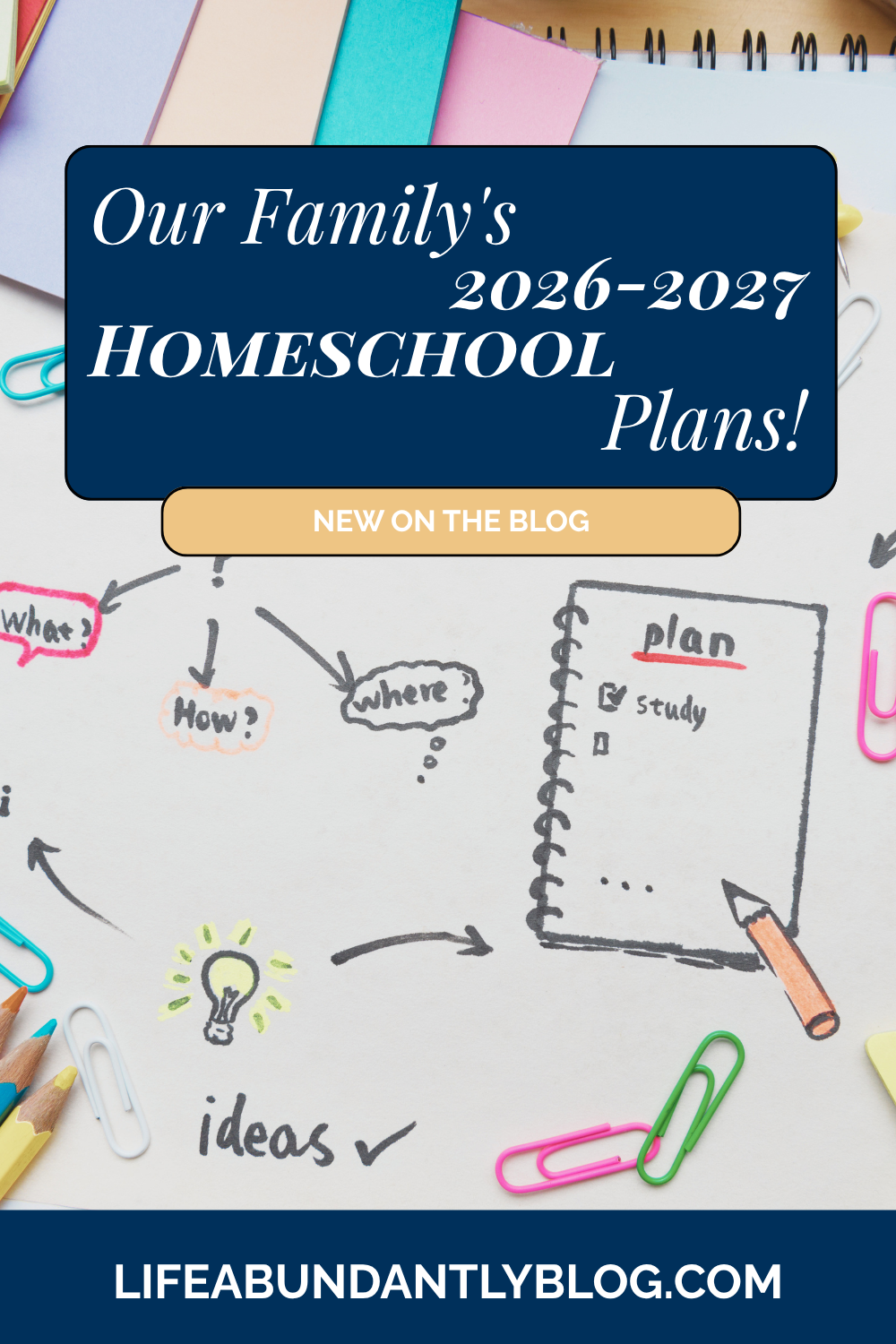



I'm so glad you're here! I was just thinking about my last post where I shared our plans for the upcoming school year. Several people had questions about our participation in Classical Conversations and also, "How will you do all of that?" lol.
I wanted to address those questions because I think the answers may be helpful. When you see someone's homeschool plans written out, it's easy to miss all of the context behind how those plans actually fit into a family's week. So, here's a little more context about ours.