107 Books to Read Before Age 7 (FREE Printable List!)
/
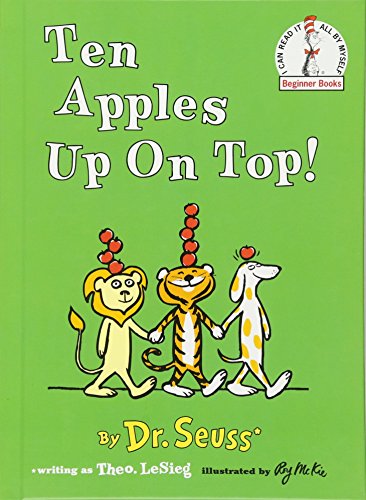
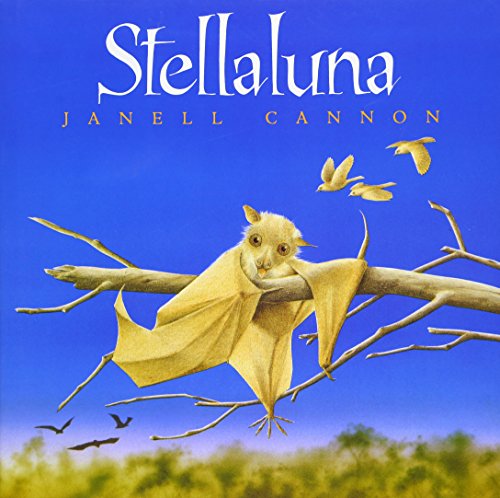
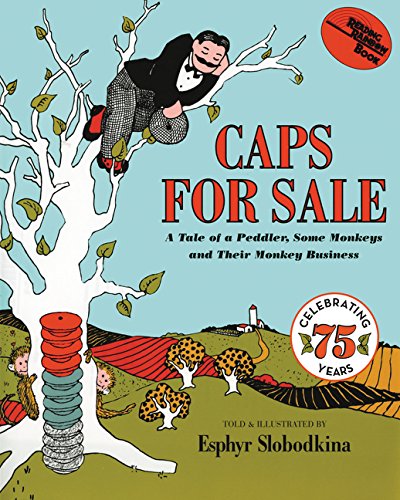
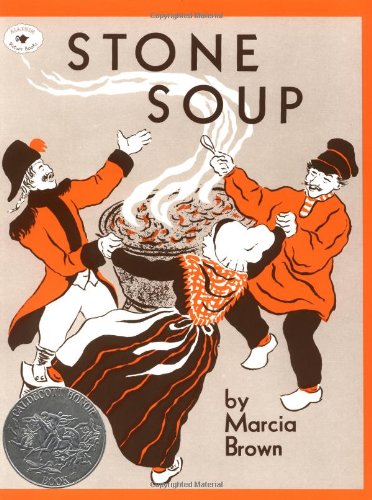
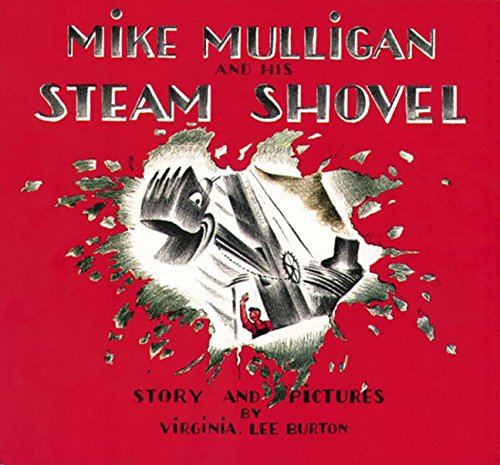
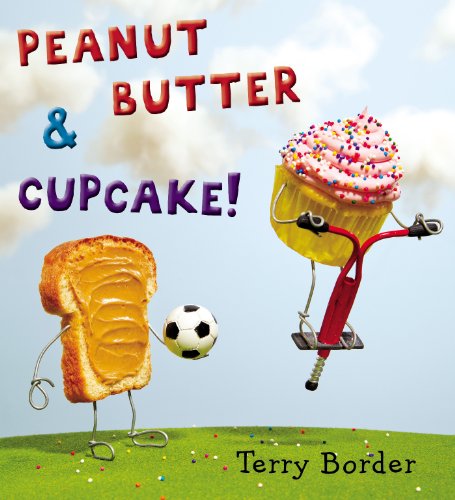
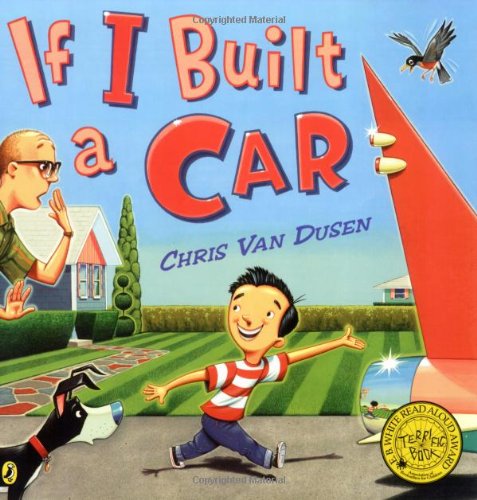
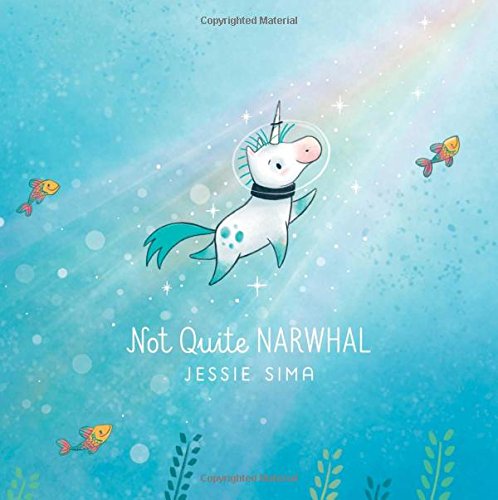
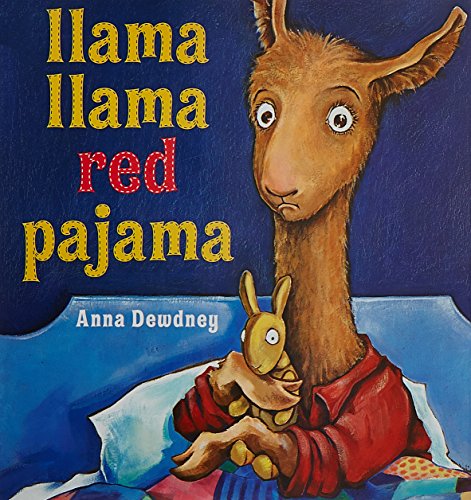
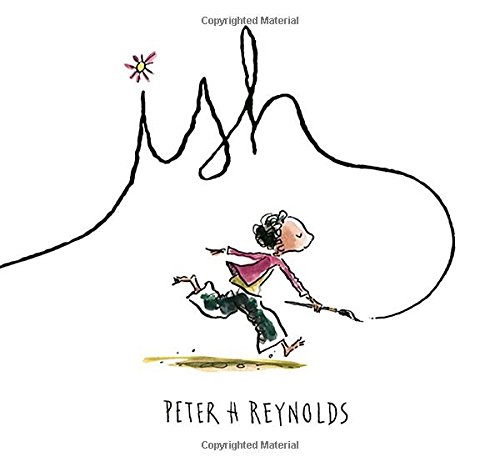
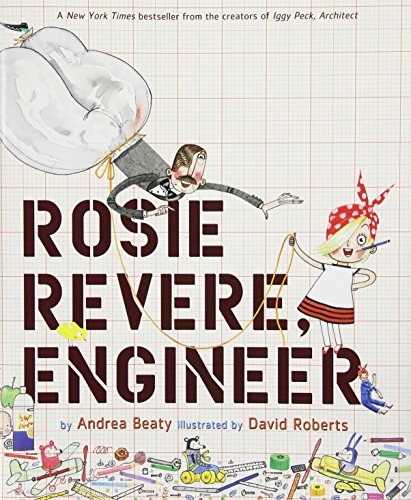
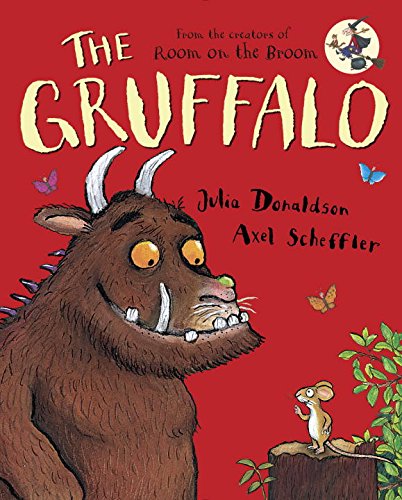
Wow! Have you looked lately for books for your little ones and been completely overwhelmed? There are SO many- and how can we know they are good books that are of high literary quality and don't counter with our beliefs and family culture until we've bought them? My sweet friend Hayley and I wanted to combine forces and share a powerful list of 107 books that we feel like every child should have read to them (or read) before age 7.
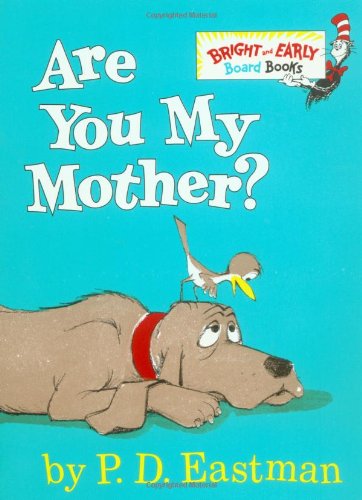
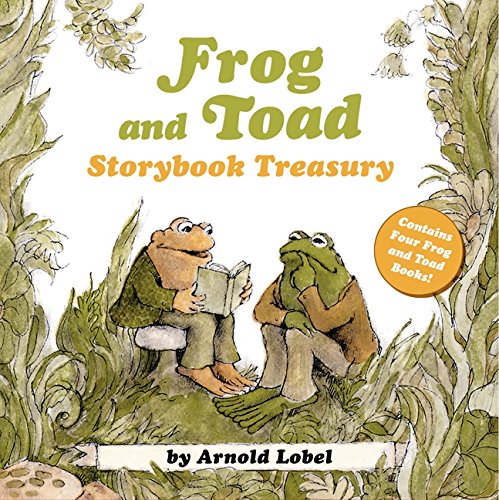
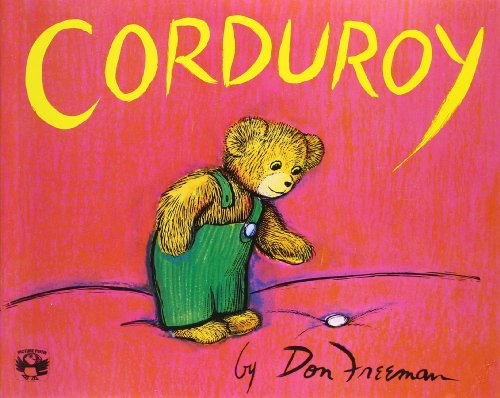
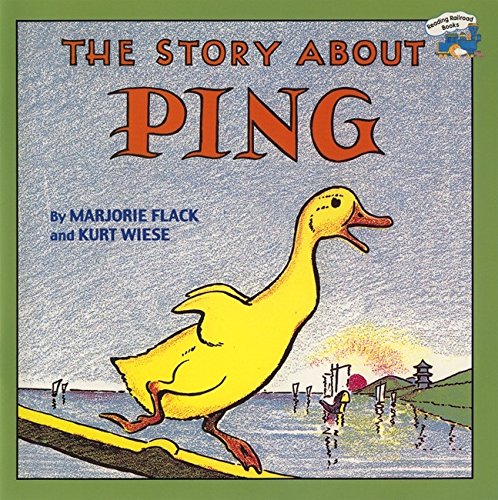
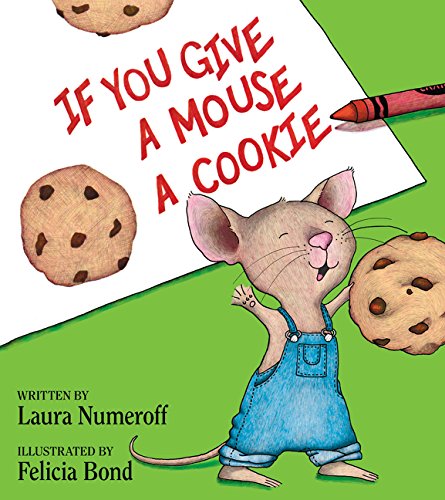
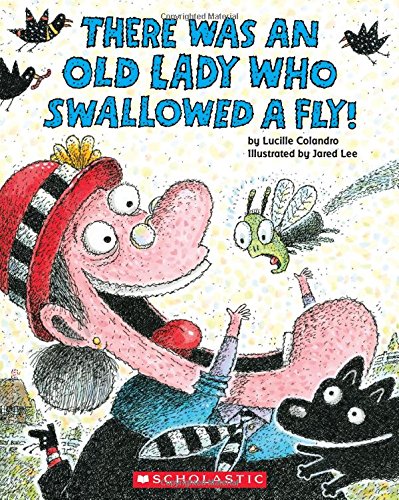
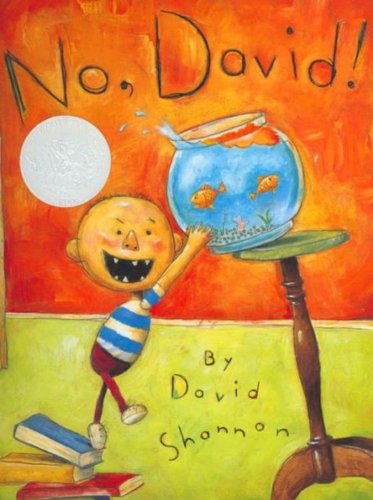
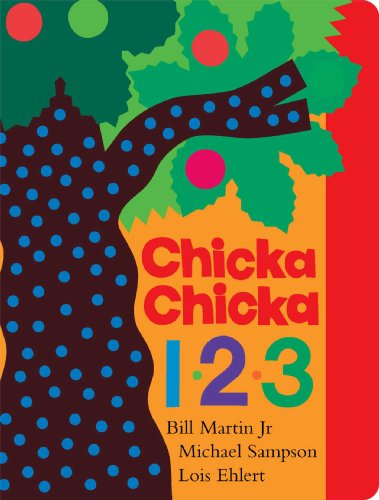
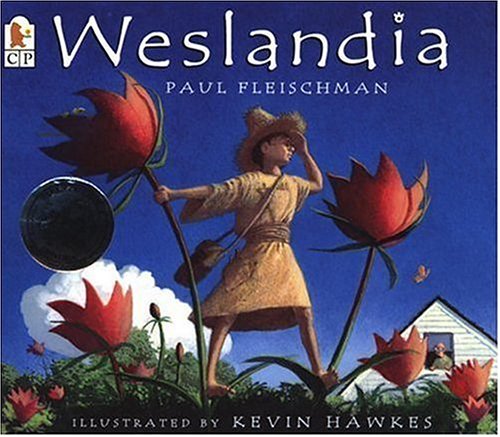
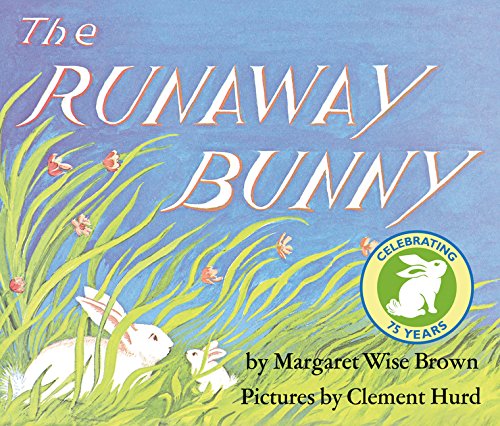
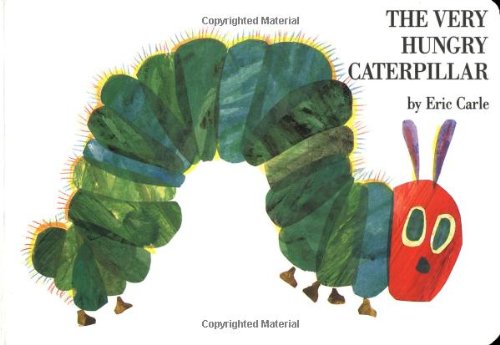
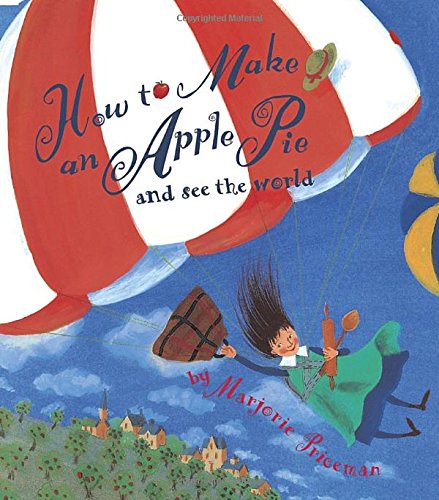
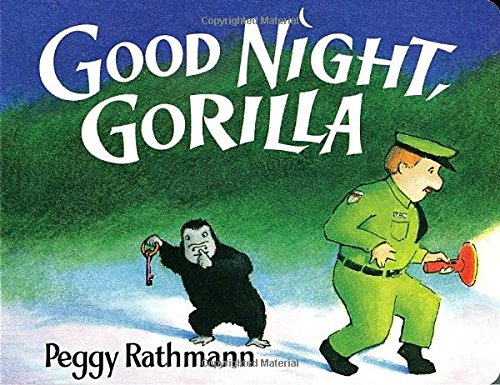
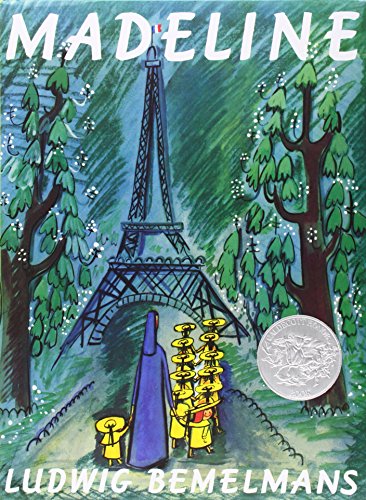
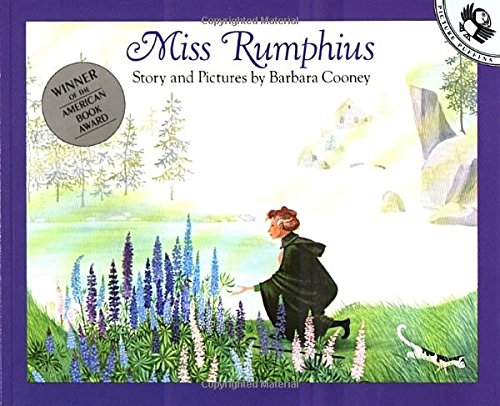
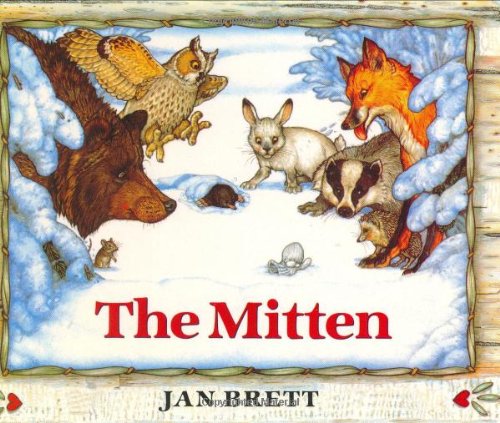
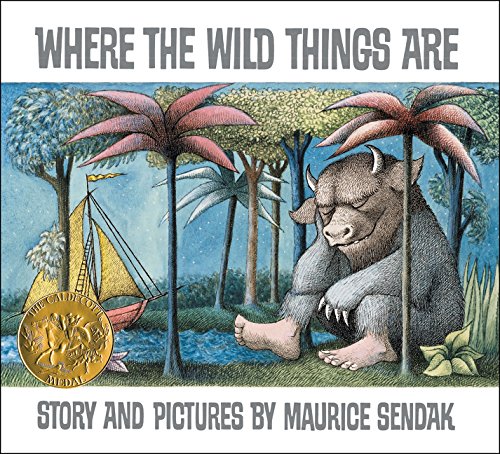
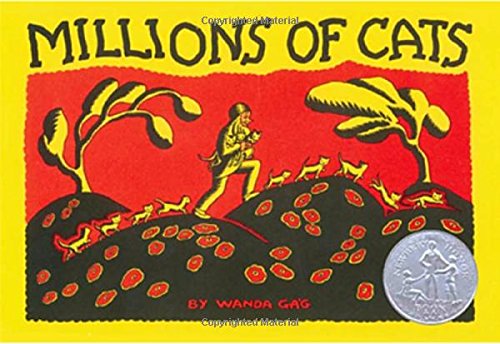
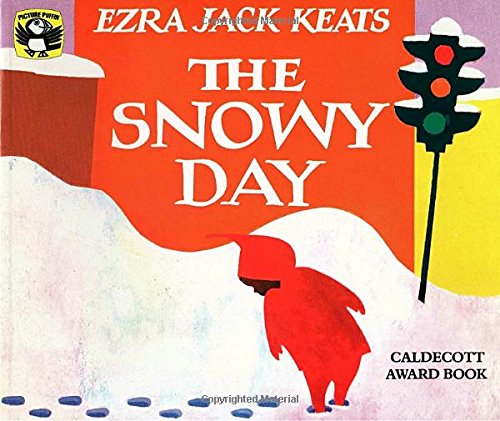
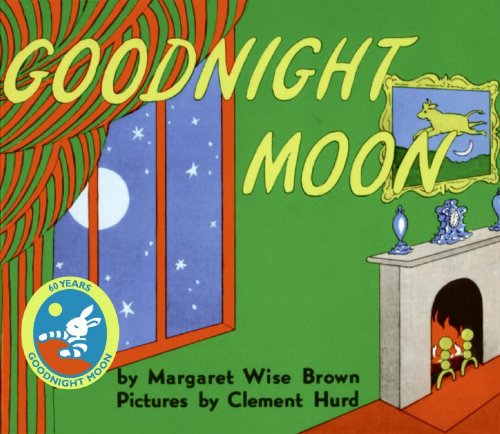
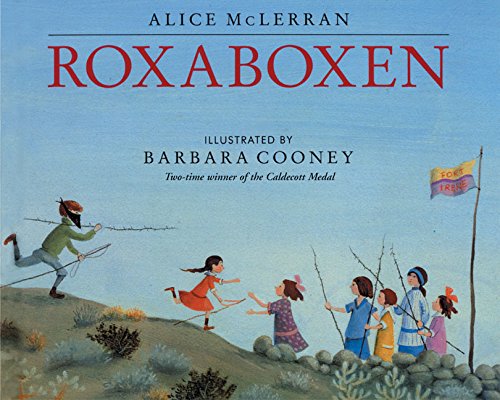
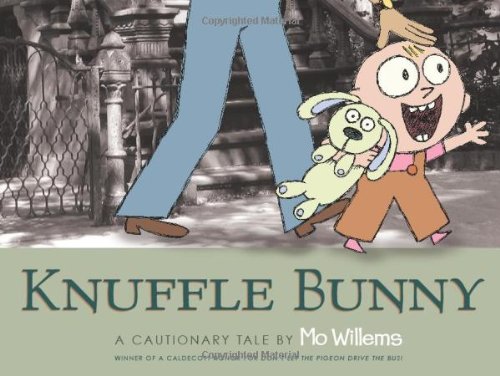
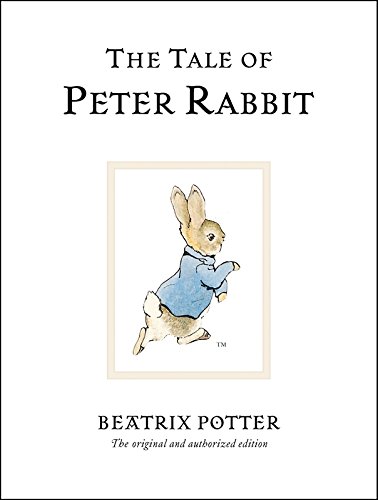
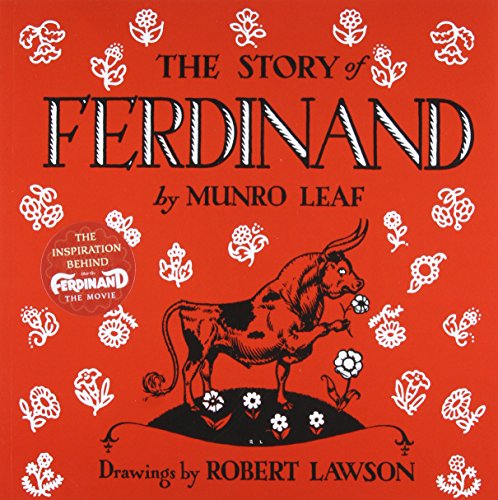
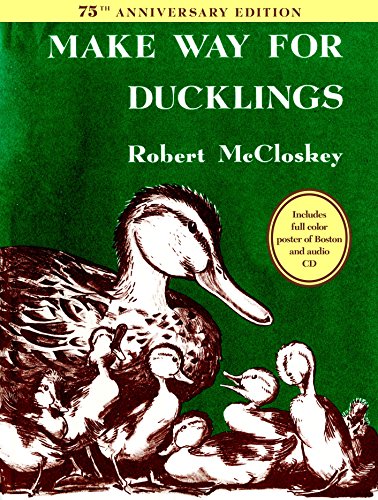
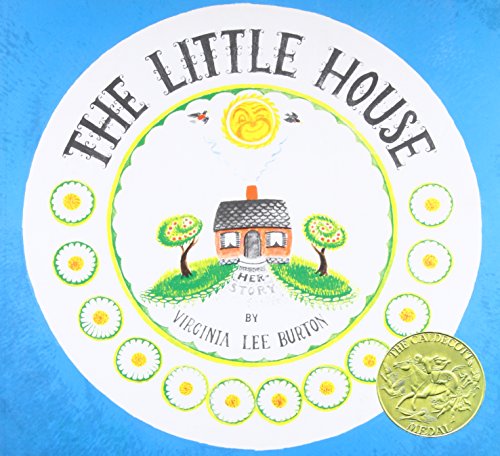
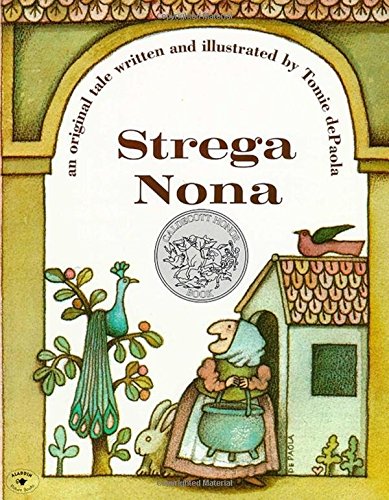
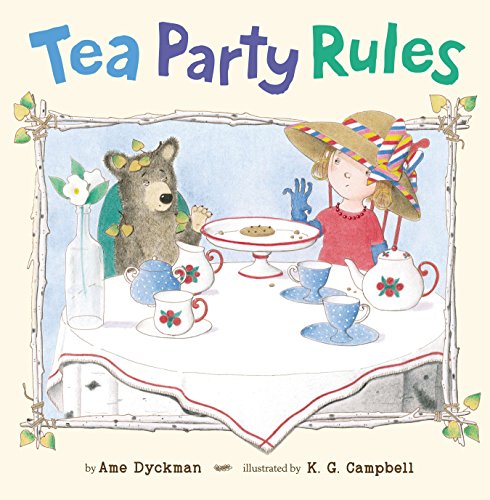
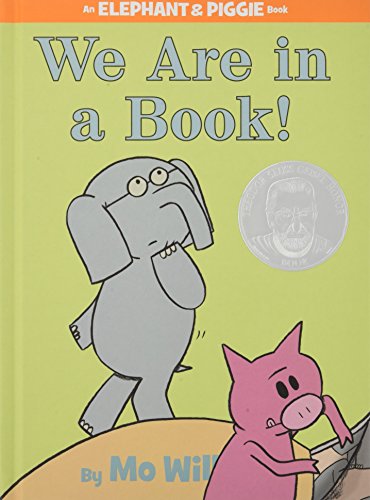
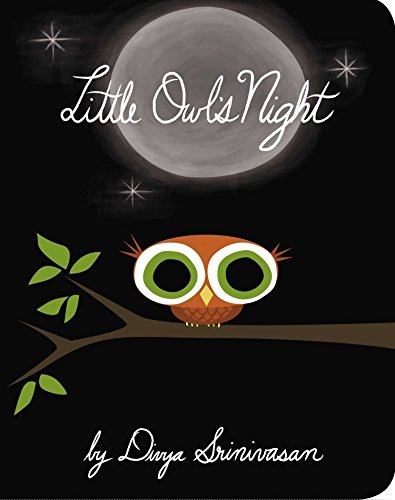
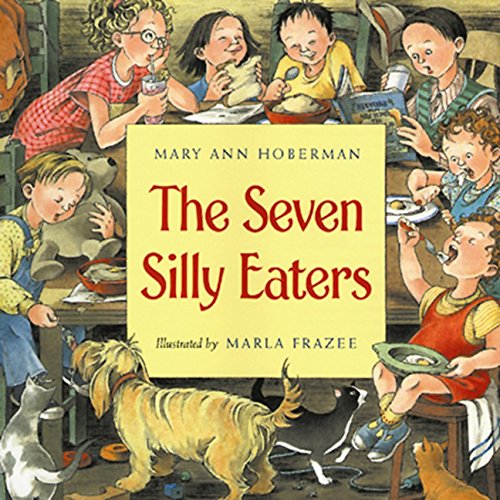
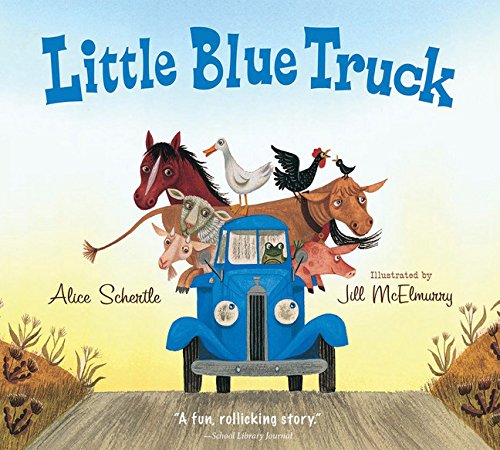
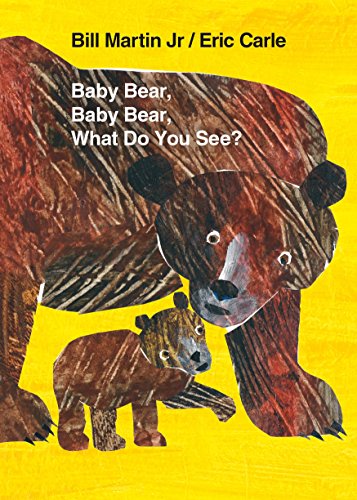
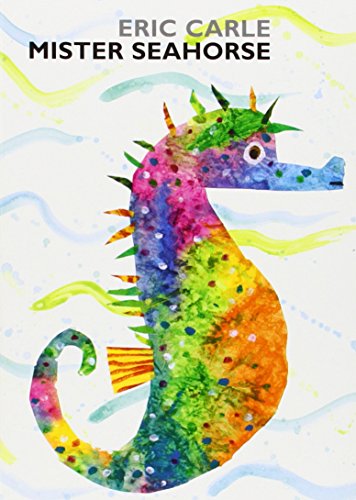
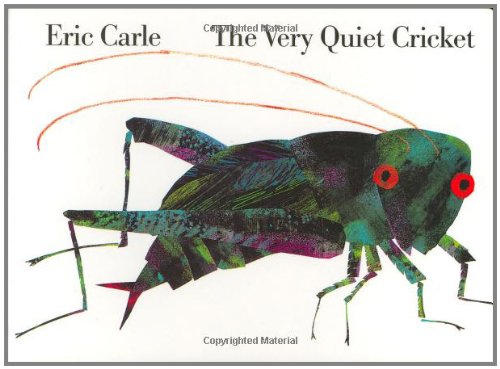
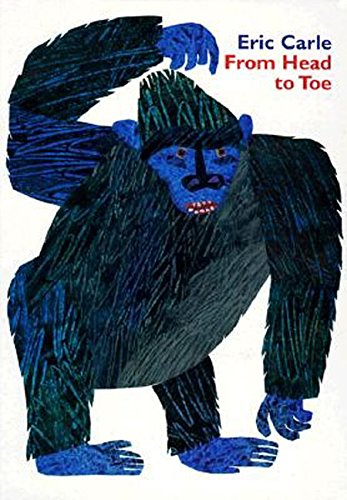
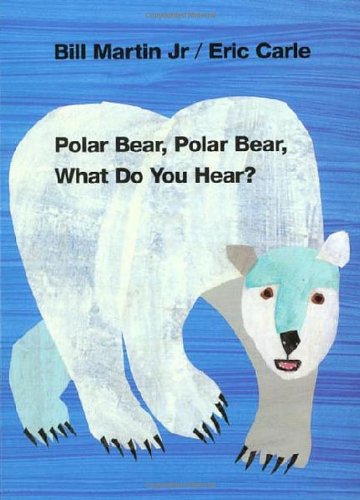
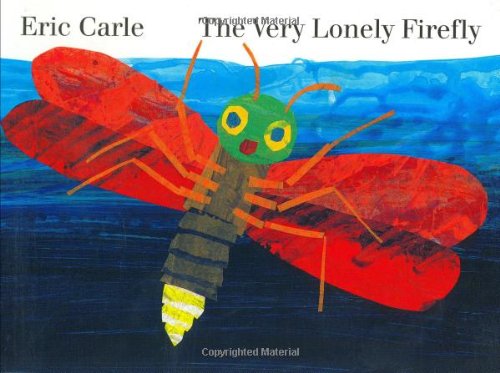
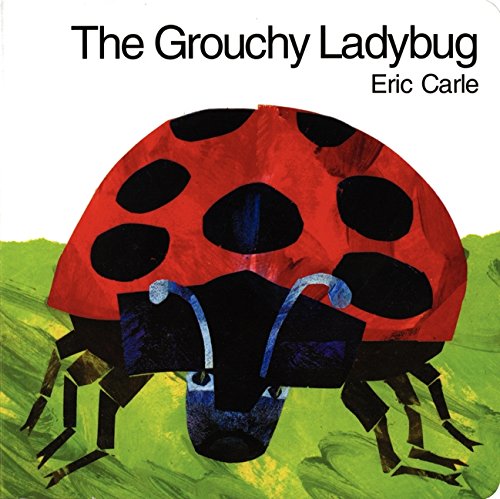
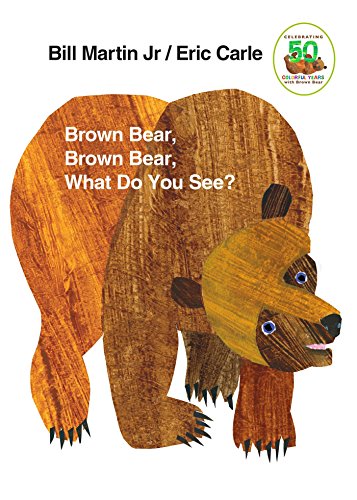
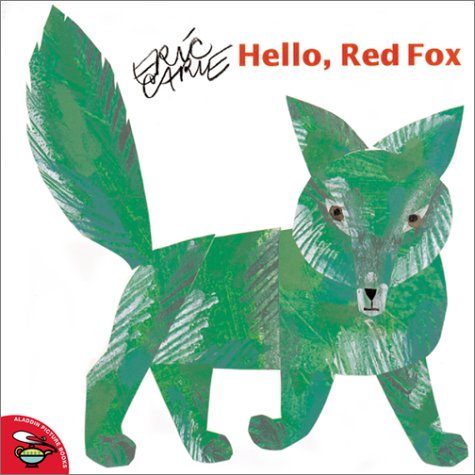
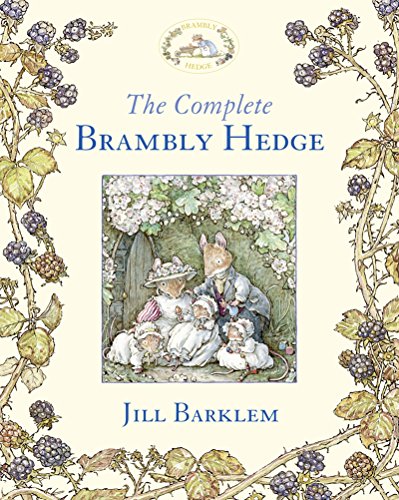
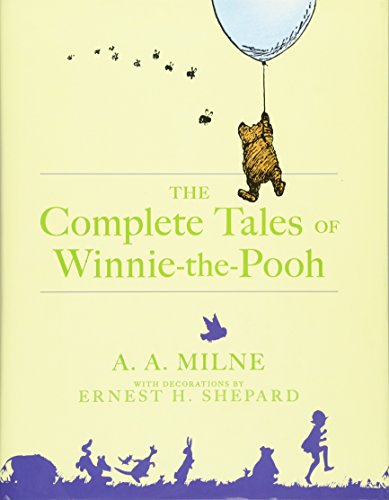
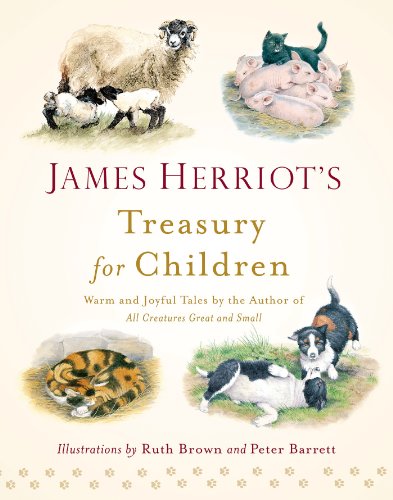
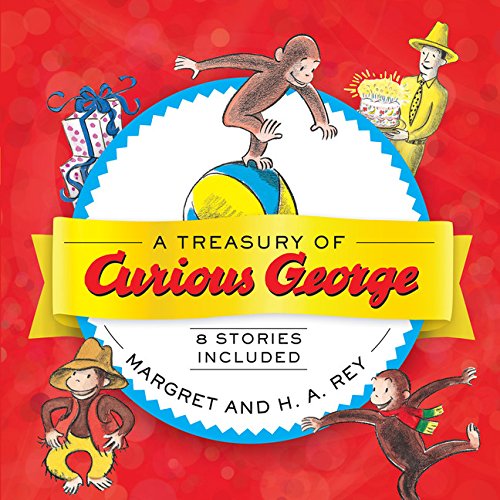
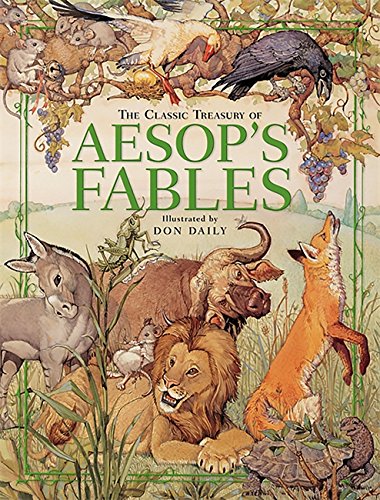
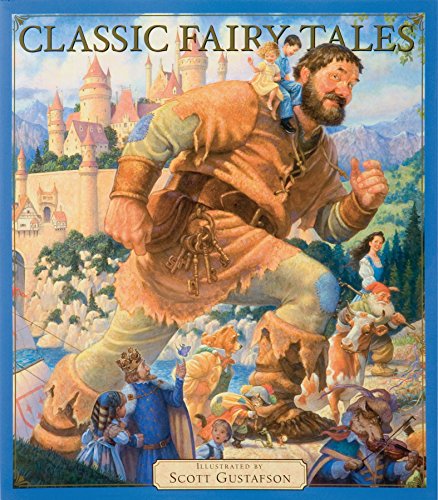
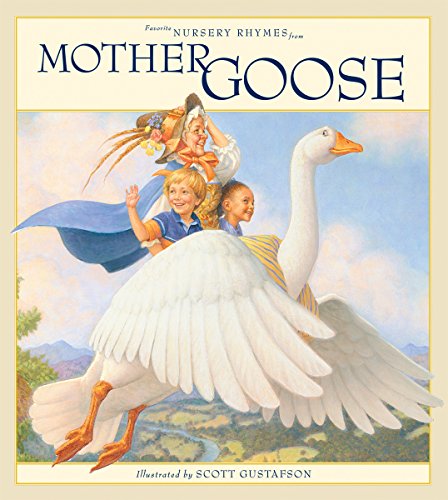
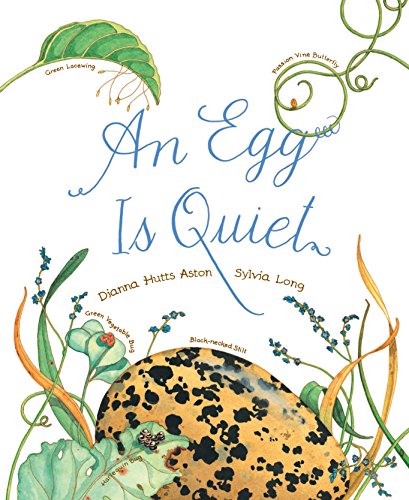
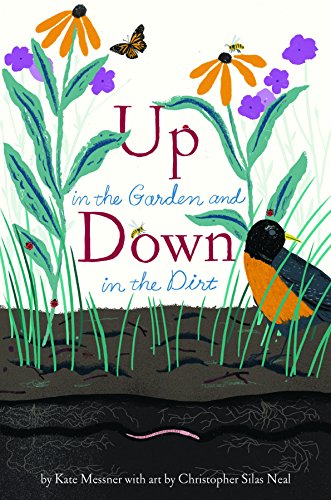
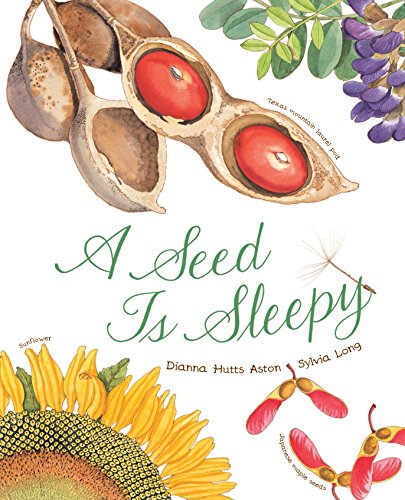
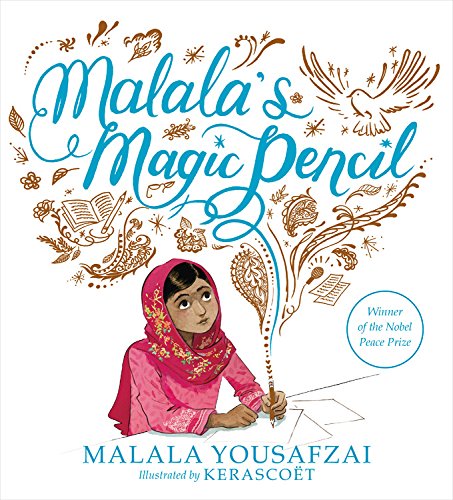
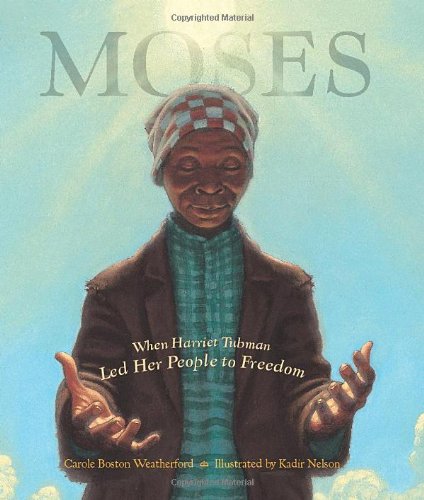
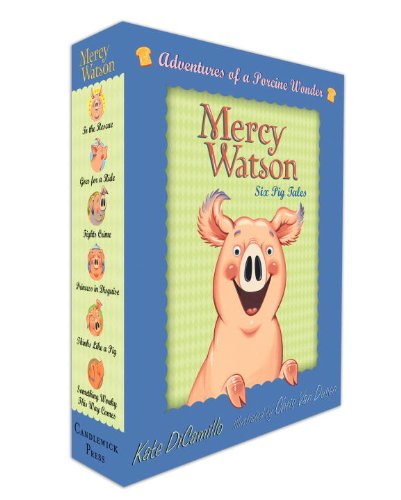
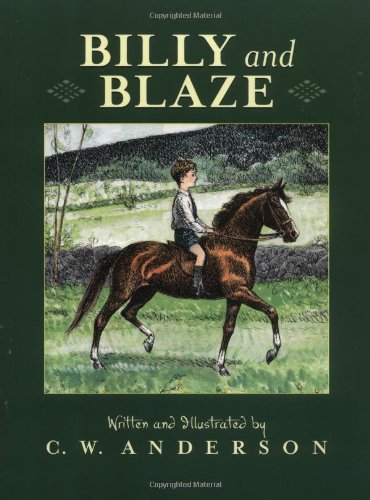
So- let's be honest... who doesn't judge a book by the cover? I frequently find these great lists... then I have to pull up amazon, search for the book, and see by the cover that we already own it. It's super time-consuming to research these lists, and that's why I've compiled ALL 107 books for you, here on this page! You can scroll through them at your leisure and shop via Amazon if you would like! If you prefer the printable version, scroll to the bottom where you can subscribe and get it right away!




























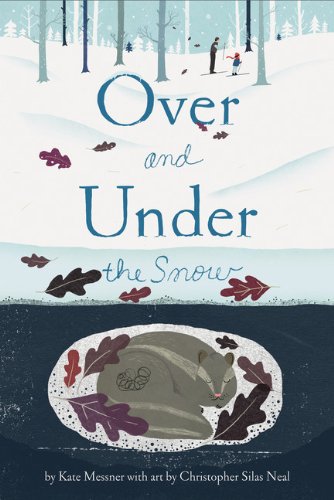


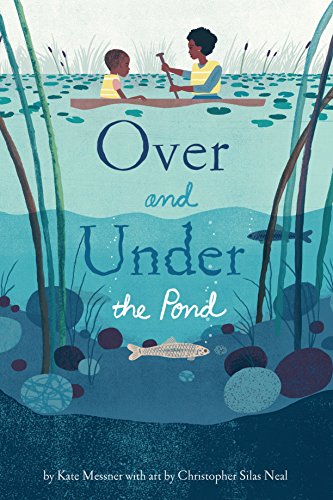
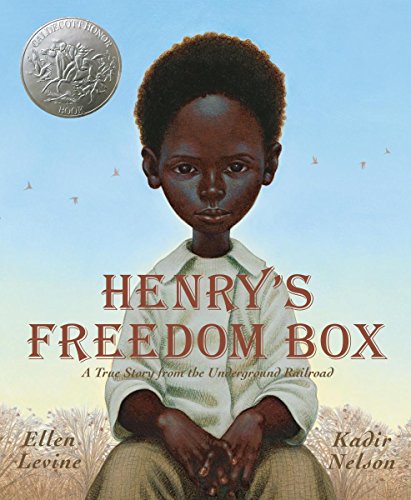
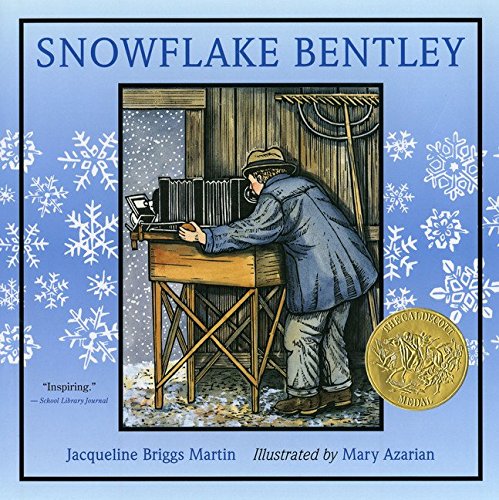






I'm so glad you're here! I was just thinking about my last post where I shared our plans for the upcoming school year. Several people had questions about our participation in Classical Conversations and also, "How will you do all of that?" lol.
I wanted to address those questions because I think the answers may be helpful. When you see someone's homeschool plans written out, it's easy to miss all of the context behind how those plans actually fit into a family's week. So, here's a little more context about ours.